Capra
Bu madde henüz yalnızca İngilizce.
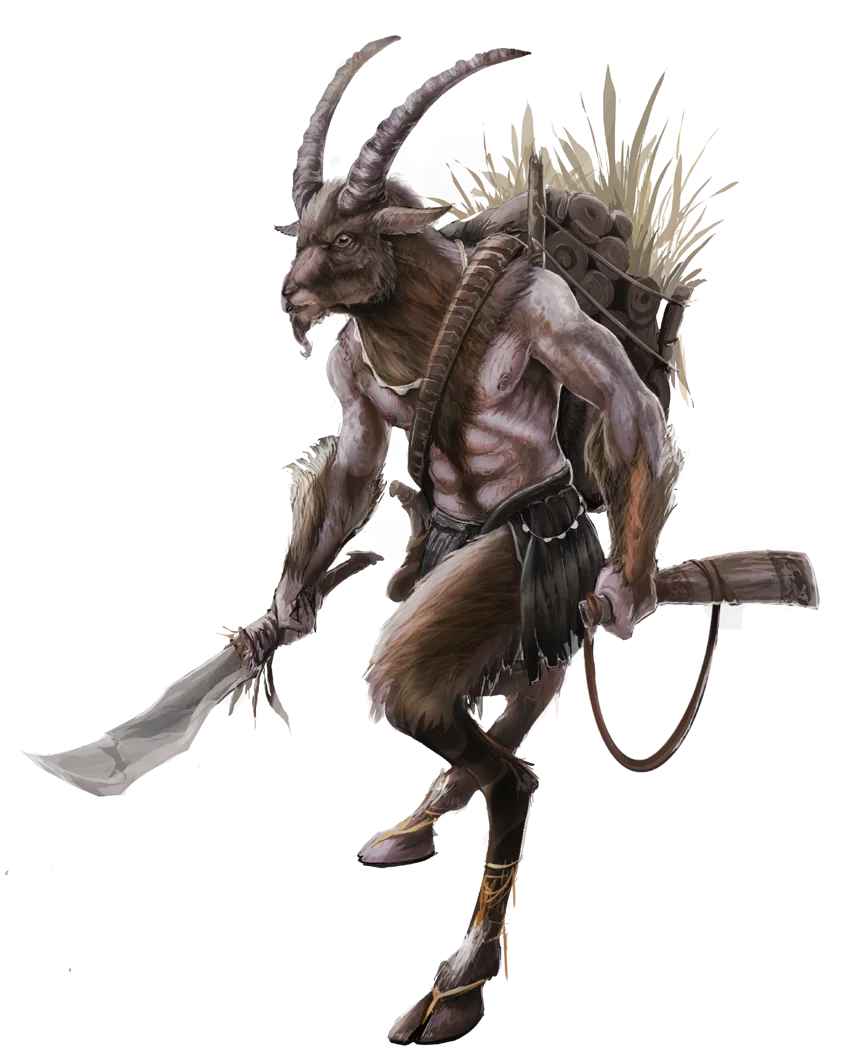
Beyond the edge of the Boundless Forest, in the heart of the Yellow Sea, dwell the capra. They are easily recognised by their cloven hooves, powerful legs, sturdy bodies and, above all, their goat-like heads. They look much like ancient depictions of demons, and in the folk tales of ordinary people they are often called "capra demons".1
Way of life
The capra live in the distant East, where resources are scarce and life is hard. They have little to do with the other races of the Lands of Exile and live as hunter-gatherers. Theirs is a closed society that avoids other peoples, and capra are known to attack strangers on sight.2
Capra are nomads, but their wandering is neither haphazard nor leisurely. They move quickly even under a load, seldom stay in one area for more than a few weeks, and shelter wherever nature offers it. A herd on the move can be mistaken for a war party carrying nothing but weapons and a few belongings.3
From birth until their likely violent deaths, capra lead a physically demanding life. They carry their own burdens without mounts and live far from the comforts of tools and equipment, and this way of life keeps driving them to be strong.1
Capra are conflicted and free by nature. Many tend towards violence and cruelty, though not all of them do.4
Ironhoof Mead, a potent honey mead with hints of bone marrow and wild spices, is a capra drink that is hard to find in the Lands of Exile outside capra settlements.5
Body and strength
The capra's most prominent traits are that they do not tire and that they are physically superior to humans, on whom they can look down. Very few humans can match a capra at arm wrestling or weightlifting, and none can beat one over a long distance. Capra begin walking on the day they are born and rarely stop thereafter. The build of their legs lets them carry several times their own weight, and even their upper bodies and arms, the weakest part of them, are stronger than a powerful human warrior's. They stand between seven and eight feet tall.6
Capra have an innate resistance to disease: ordinary illnesses may slow and weaken them but are rarely known to kill them. They come of age at one year old, age quickly and generally live up to about eighty years, but since they usually die by violence before their strength declines, scholars seldom have a chance to see what ageing does to them.6
Capra who leave their herds to live in civilised cities usually take up physically demanding work. Even the hardest human tasks come easily to them, and they are seen to decline physically: comfort, convenience and little effort do capra more harm than good. A capra who does not run enough, which means running a great deal, cannot be happy.1
Herd and Shepherd
Each herd is led by its strongest and most dominant warrior, who bears the title of Shepherd. The Shepherd decides where the herd goes, where it raids and where it hunts. The position changes hands only through death. Those who aspire to it fight a kind of duel, clashing their broad, curved horns together; most of these fights are not fatal and end when one side faints, is seriously hurt or yields.3
Capra society praises physical strength and is strictly ruled by it. Contrary to what most scholars believe, power struggles within a herd never escalate to lethal force.2
Capra have no notion of nobility, though coming from a strong line matters. The length and curve of the horns are marks of status; horns grow longer as a capra ages and stand for experience and power. Capra have no respect for the weakness that comes with age, but they revere experience, since the experience of a herd's elders can mark the line between life and death.3
The capra have no word for "child": once infancy ends, a capra is considered an adult. There are generally no set roles for the sexes. A pregnancy lasts more than a year but does not make a female weak, and it is thought normal for a pregnant capra warrior to go into battle. Being born on a battlefield is taken as a sign of great potential and of someone destined for remarkable deeds.7
The two kinds of herd
Capra herds fall into two broad kinds. Some herds have developed a belief system shaped by their bond with nature. They have shamans who commune with nature, recognisable by branch-like tattoos on their necks. Such herds are not peaceful, but they do not destroy nature. They believe in reincarnation, in a circle of life whose protector is their god, the Thousand-Horned God, Shulga.3
Ages ago, some herds within the Endless Forest made contact with eldritch powers. According to legend, they met dark gods from other realms through windows that opened onto this one, gods with no purpose but chaos and destruction, who filled their blood with dark magic and made them the heralds of their own destruction. Capra of these tribes are generally crueller, and cannibalism has been observed among them.3
The two kinds of capra are in a perpetual state of war. In the present day there is massive fighting between the tribes that follow the Thousand-Horned God and those that follow "the Dark Gods".8
Whatever its kind, meeting a capra herd ready for battle is unwise: some will use the remains of the slain as fertiliser, while others will eat them.3
Language and names
The capra have their own language, Caphan, and name their children in it. A capra is given a three-syllable name at birth but may use only the first syllable; every twenty years of life another syllable may be added. A capra who achieves something significant after completing the three-syllable name is granted an extra syllable by the Shepherd as a gift, taken from the name of a dead herd member who never completed their own.4
Some capra bear nicknames, usually drawn from battle scars, such as Brokenhorn, One Eye or Battleburned. They translate the meaning into foreign languages and use it that way, for these names are meant to inspire fear and command respect by what they mean.4
Subraces
Two subraces of capra are found in the Lands of Exile: the Wild Capra and the Dark Capra.4
- Wild capra are strong and resilient and will live, work and if need be die for their herd. One separated from the herd must be ready to accept the people around it as a new herd, and the group's interests always come before its own. A roof overhead may feel strange at first but can be got used to; cowardice and disloyalty cannot.4
- Dark capra carry a stain ingrained in their blood. Whether they embrace the powers that come with it or despise them, it cannot be escaped; it may seem that the void within them can be filled only by violence and destruction, but they are not bound to give in to those urges.4
Neighbours
Orc tribes fight capra hordes, as they fight the northerners, the Empire, the badgerfolk and the wood elves.9
Notlar
- ↑KitapShadow Over Vansreik, p. 46
- ↑KitapShadow Over Vansreik, p. 222
- ↑KitapShadow Over Vansreik, p. 47
- ↑KitapShadow Over Vansreik, p. 48
- ↑KitapLands of Exile: Starter Setting Guide, p. 46
- ↑KitapShadow Over Vansreik, pp. 46, 48
- ↑KitapShadow Over Vansreik, pp. 46, 47
- ↑KitapShadow Over Vansreik, pp. 47, 222
- ↑KitapLands of Exile: Starter Setting Guide, p. 45
Kaynaklar
Bu madde şunlara dayanır:
Bu maddedeki görseller
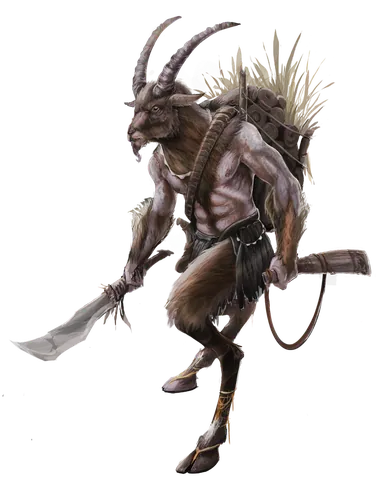 Shadow Over Vansreik (Bad Badger Games, 2024), p. 47. Art by the Bad Badger Games team.
İlgili maddeler
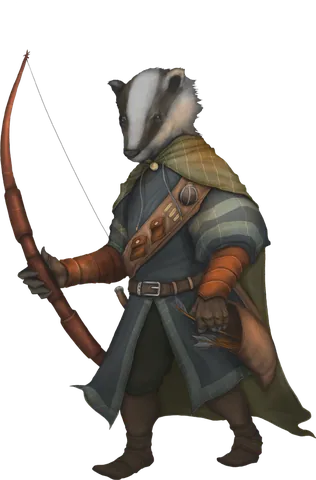 HalkBadgerfolkA small, fur-covered people from the Blue Forest who resemble badgers standing on two legs. They are skilled craftsmen and archers, build wooden towns they can move with the seasons, elect their mayors, and often stand with the wood elves.
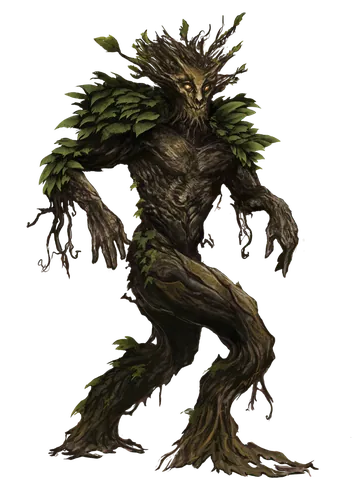 HalkDroomA rare people born from the heart of an ancient forest, whose bodies of bark, leaves, vines and resin make them resemble walking, talking trees. They have no parents, do not age, and turn back into trees when they die of natural causes.
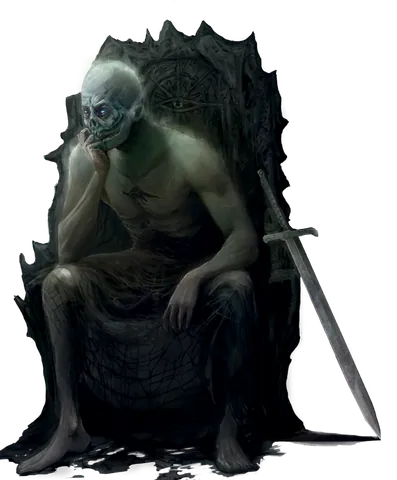 HalkForgottenThe dead who walk with their souls and their memories intact. Unlike the mindless dead, a forgotten remembers everything, looks as they did in life but paler and cold, does not age, and must hold to a purpose or slowly lose their mind again.
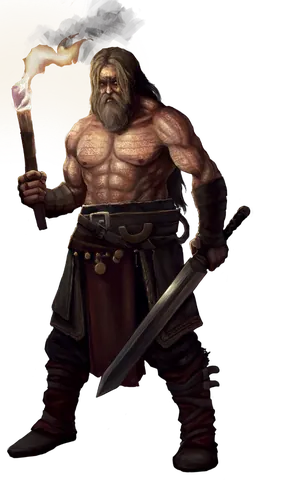 HalkVenerethPeople born to any race with enigmatic writings on their bodies, a legacy of sages who sought to save the knowledge of the world before the Desolation. Each is born with a gift for one field of learning, and many are feared or hunted for their marks.