Droom
Bu madde henüz yalnızca İngilizce.
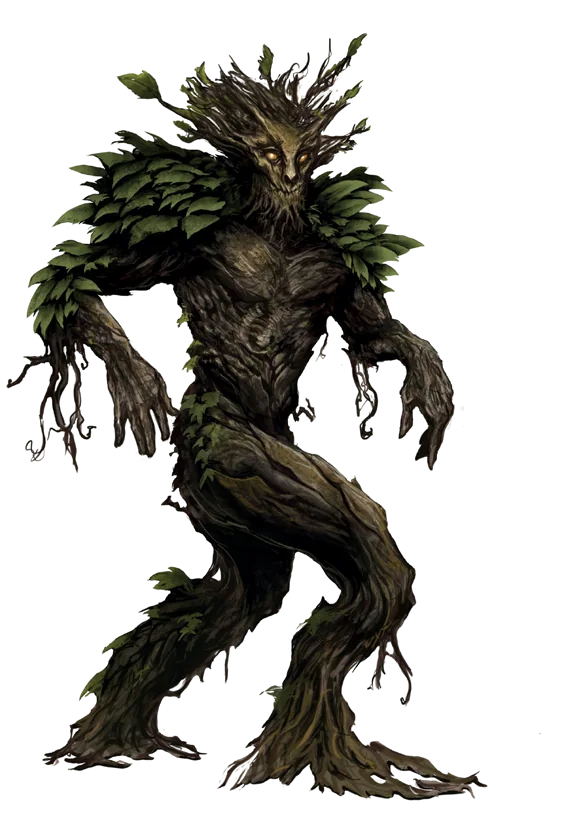
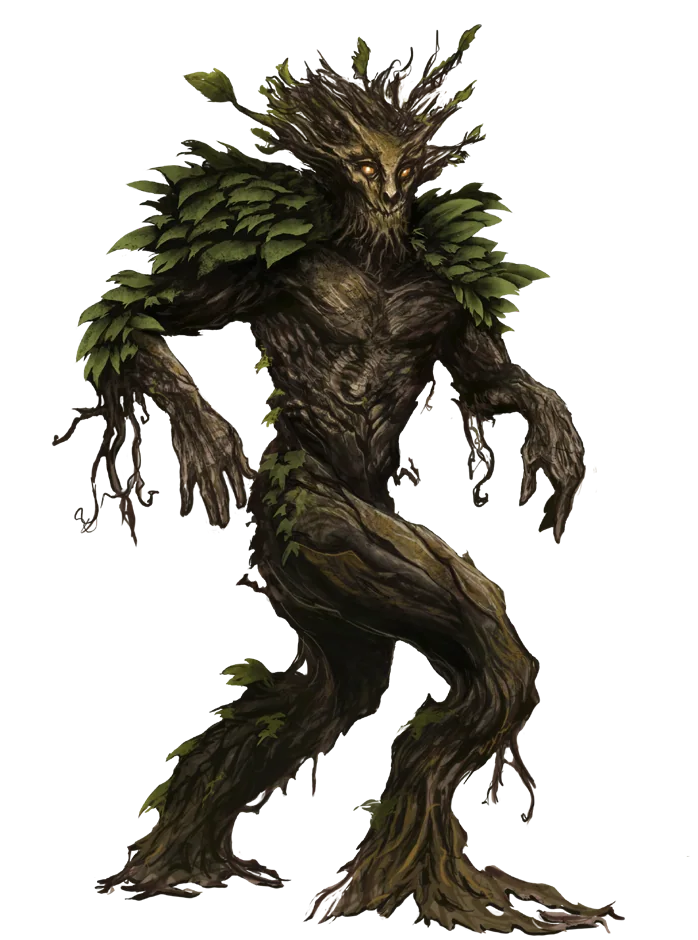
The droom are a people who resemble walking, talking trees. Their bodies are made of leaves, tree bark, branches, vines and resin, and sap rather than blood runs through their veins. A droom is born in the heart of a majestic forest, arising from the magical essence that gathers within forests; for this reason drooms have no parents and no families.1
Birth
Legend holds that a forest must be at least a thousand years old to have a heart, and it is rumoured that forests older than a millennium develop a natural but enigmatic kind of consciousness.1
Nature scholars offer several explanations for the birth of a droom. One holds that the forest creates a droom to have eyes and ears beyond its own borders, and it is believed that a droom's knowledge and experiences blend with the forest when its body mixes with it again. That theory has gaps: a forest with so developed a consciousness, critics ask, should already have access to the knowledge of creatures that move about. Another idea is that a droom is born as a defence against an outside world that has come too close to the forest's heart. There are many more theories, but no one, not even the drooms themselves, knows the true answer.1
Drooms have their own free will, soul and personality, and are not to be confused with the K're'ans. A k'reani has no personality and no goals of its own; it is merely a part of the forest, and melts back into it once its task is done.2
Solitude
The birth of a droom is so rare that, for all their long lives, drooms have never been known to come together and form a community, and some never meet another of their kind in their whole lives. Most live among wood elf communities or in badgerfolk towns within the forest. Some prefer a solitary life in the woods, and now and then an adventurous droom ventures into the cities of The Empire and other places. Drooms who live in civilised societies may adopt clothing and ways of life much like those of humans, and in general they adapt quickly.1
Beginning life without family, clan or homeland leaves some drooms content to live alone, while others treat their friendships as a kind of family. It is extremely hard for a droom to feel that it belongs to a community or a place, and apart from a small circle of friends, people almost never see one as their own. Given their extraordinary lifespans, drooms spend much of their lives in solitude.3
Drooms have no gender and no reproductive organs, and as far as is known a droom cannot reproduce. Like everyone else, they can feel love.3
Body, age and death
A droom is born an adult. It neither grows nor ages: its body stays the same from the day it opens its eyes to the last day of its life, and wounds, even lost limbs, heal and grow back as they were. Drooms generally live up to about 1,250 years.3
Near the end of their long lives, drooms usually return to the forest where they were born, and many become its protectors.1
A droom that dies of natural causes does not decay as other mortals do: it hardens, transforms and becomes a tree. In this way a droom begins its life as a tree, lives for a while as a droom, and becomes a tree again. A droom that dies any other way leaves behind a seed cone. If the cone is undamaged and buried in the heart of the ancient forest where the droom was born, the droom is reborn about a hundred years later.3
Language and names
Every droom knows the Sylvan language by instinct, but drooms have no language of their own. Even long after their birth they tend to think of themselves as part of the forest, so the need for a name arises only when they deal with other communities. Their names almost always describe their appearance and are given in the language of the friends who named them, such as Oakheart, Thistlebark, Willowshade or Emberleaf.34
Seasons
The essence of nature goes with a droom wherever it goes. Drooms look different and have different characteristics depending on the season in which they are born, and that season is reflected in their character. Four kinds are found in the Lands of Exile: the Winter Droom, Spring Droom, Summer Droom and Autumn Droom.3
- Winter drooms have leafless, intimidating bodies. They are more inclined to solitude than other drooms, reserved and distrustful, and for them facing challenges and surviving them matters most.3
- Spring drooms are covered in colourful flowers. They are joyful and peaceful, and value above all protecting and preserving life.5
- Summer drooms are covered in small thorns and leaves. They are more at ease in crowds than their kin, cheerful and self-assured, and care most about enjoying themselves and protecting those they love.5
- Autumn drooms are covered in big yellow leaves. They are artistic and melancholic, and care most about gathering knowledge and deepening their understanding of the world.5
Recent awakenings
In the unrest that has come over the forests of the southern Imperial provinces and the Da'fat lands, where wild k'rean guardians are awakening and the trees are filled with rage, drooms have been opening their eyes to the world in unheard-of numbers.6
Notlar
Kaynaklar
Bu madde şunlara dayanır:
Bu maddedeki görseller
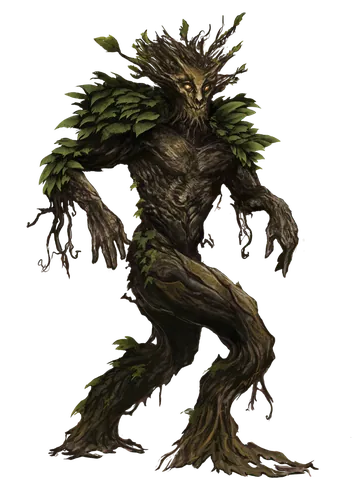 Shadow Over Vansreik (Bad Badger Games, 2024), p. 49. Art by the Bad Badger Games team.
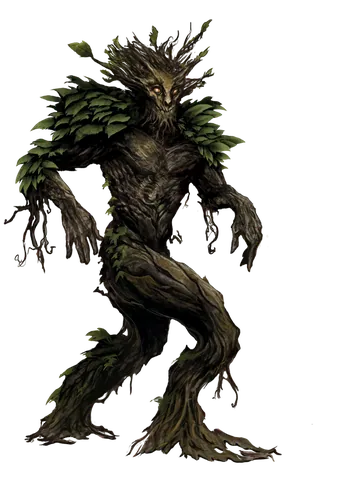 Book of Dead (Bad Badger Games, 2024), p. 10. Art by the Bad Badger Games team.
İlgili maddeler
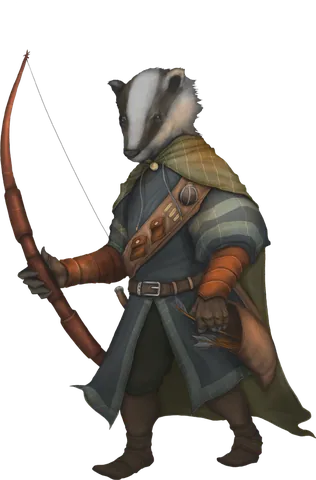 HalkBadgerfolkA small, fur-covered people from the Blue Forest who resemble badgers standing on two legs. They are skilled craftsmen and archers, build wooden towns they can move with the seasons, elect their mayors, and often stand with the wood elves.
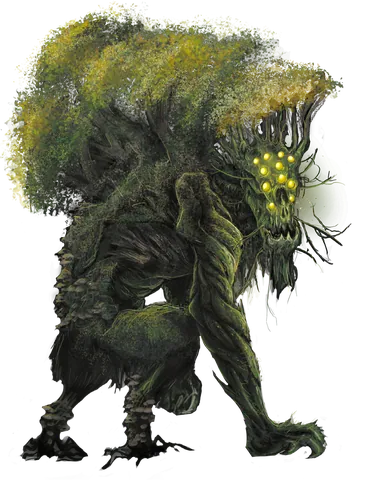 YaratıkKre’anGiant guardians of bark, vines, thorns and soil that ancient forests raise to defend themselves; they have no will of their own and melt back into the forest when their task is done.
 BölgeThe EmpireThe human realm at the heart of the Lands of Exile, an absolute monarchy heavily shaped by faith, ruled from Marble City by the unbroken line of the Red Eagle and divided into five provinces under their Sovereigns.HalkSpring DroomOne of the four seasonal kinds of droom found in the Lands of Exile. Spring drooms are covered in colourful flowers, are joyful and peaceful by nature, and hold the protection and preservation of life above all else.HalkHumansThe people who lived in northern Caligran long before the Desolation, sheltered the long-lived races after the Exodus and remain the greatest power in the Lands of Exile, at the heart of which stands their Empire.
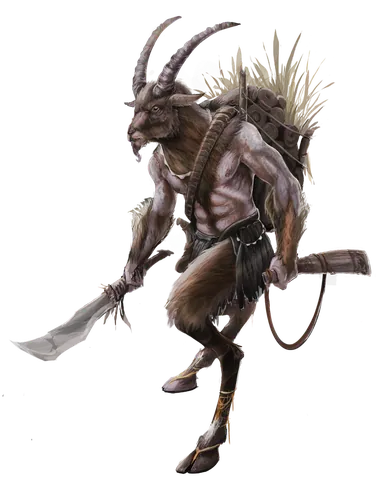 HalkCapraA tireless, goat-headed nomadic people of the Yellow Sea beyond the forest frontier, led in herds by their strongest warrior, the Shepherd, and divided between herds bound to nature and herds touched by dark gods.
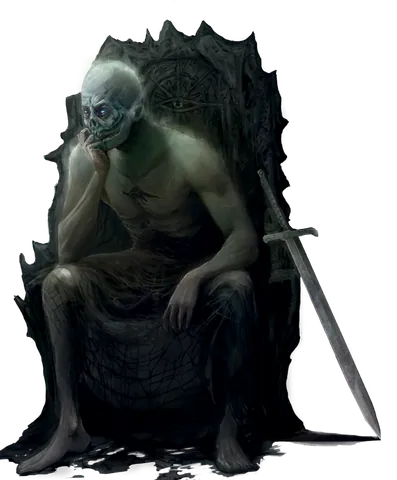 HalkForgottenThe dead who walk with their souls and their memories intact. Unlike the mindless dead, a forgotten remembers everything, looks as they did in life but paler and cold, does not age, and must hold to a purpose or slowly lose their mind again.
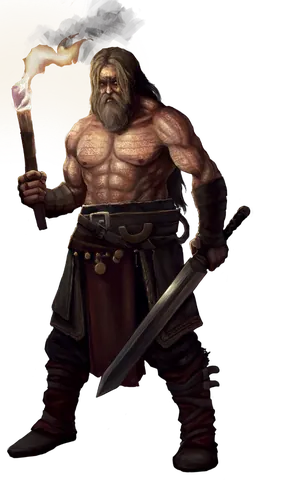 HalkVenerethPeople born to any race with enigmatic writings on their bodies, a legacy of sages who sought to save the knowledge of the world before the Desolation. Each is born with a gift for one field of learning, and many are feared or hunted for their marks.HalkAutumn DroomOne of the seasonal kinds of droom. Autumn drooms are covered in big yellow leaves, are artistic and melancholic by nature, and value the gathering of knowledge above all else.